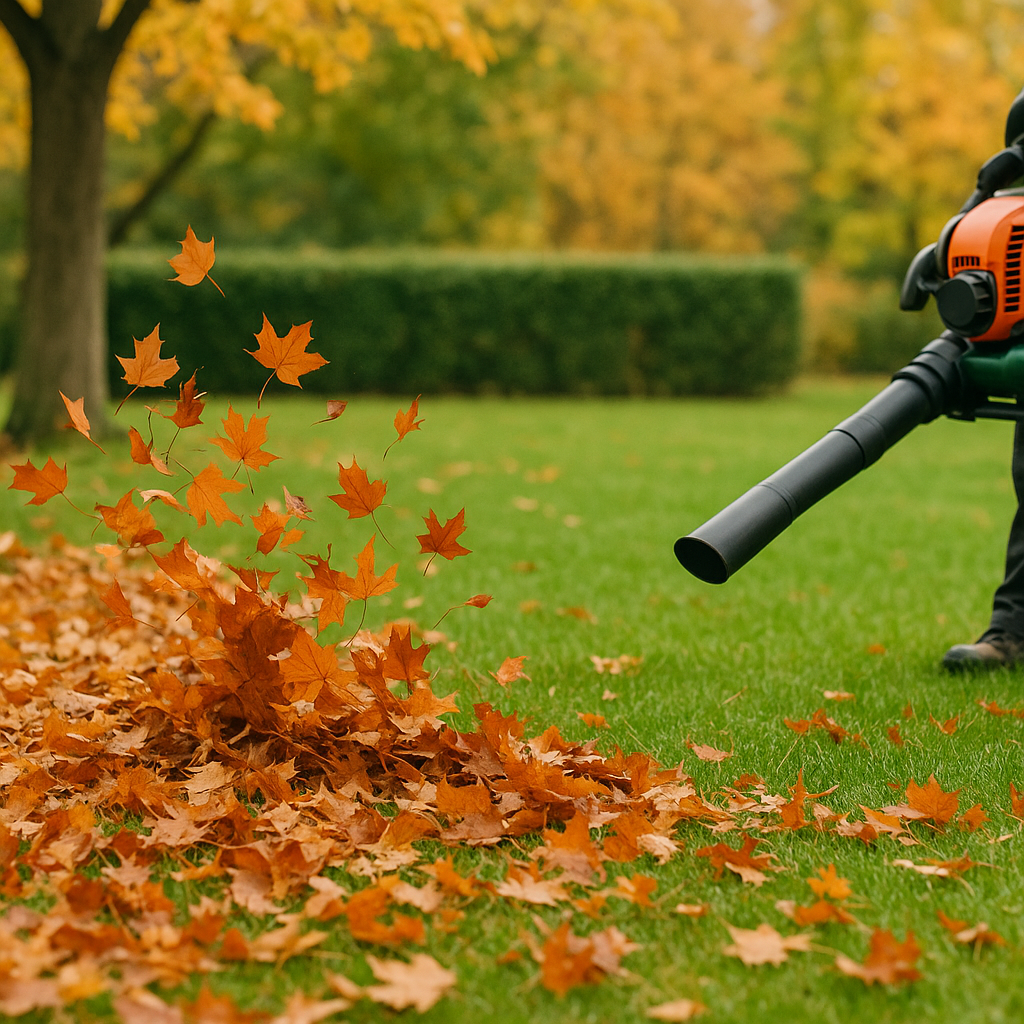
Why Fall Leaf Removal Is More Important Than You Think
When the air turns crisp and trees start dropping leaves, the rakes come out. Every fall, homeowners face the same question: should you clear those leaves, or just let them be? Letting leaves pile up is easy, but it can cause more trouble than you might expect. Clearing them isn’t just for looks—it impacts your lawn, your neighbors, and nearby waterways.
The Hidden Dangers of Fallen Leaves
Sure, fallen leaves look nice at first. But if you let them sit, problems show up quickly. Here’s what can go wrong:
- Lawn Damage: Too many leaves block sunlight and trap moisture. Your grass ends up suffocated and can die off, plus it creates a damp spot where mold and fungi thrive.
- Pest Attraction: Piled-up, rotting leaves are practically an invitation for insects and rodents. Left unchecked, they’ll often look for shelter in your home, too.
- Slippery Surfaces: Wet leaves on steps or paths turn into a slick mess. It's a real slip hazard, especially when you least expect it.
- Stormwater Issues: Leaves can clog street gutters and drains, causing water to back up and flood. This can lead to debris and polluted runoff in local streams.
Benefits of Fall Leaf Removal
Taking care of those leaves makes a difference, and not just in how your yard looks. Here’s why it’s worth the effort:
- Healthier Lawns: With leaves gone, your grass gets the sunlight and air it needs. You’ll notice the difference when spring rolls around.
- Fewer Pests and Diseases: Clearing leaves keeps unwanted bugs and lawn diseases in check.
- Improved Safety: Keeping paths and driveways clear helps prevent falls—something nobody wants, especially in colder months.
- Environmental Protection: Disposing of leaves the right way means fewer drain clogs and less pollution in local water.
- Better Curb Appeal: A clean yard just looks better. It might even raise your home’s value if you’re thinking about selling.
Smart Leaf Removal Tips
Leaf cleanup doesn’t have to drag on for hours. Try these approaches:
- Mulch Mowing: Run a mulching mower over leaves to break them down and put nutrients back into your lawn. Simple and effective.
- Composting: Toss leaves in your compost pile for a natural, homemade fertilizer.
- Municipal Collection: Use your city or town’s yard waste collection service if it’s available.
- Team Up: Invite family or neighbors to help out. It goes faster, and maybe you’ll even have some fun with it.
Conclusion
Ignoring those leaf piles might seem harmless, but regular removal helps your lawn, your safety, and your community. It’s about more than keeping up appearances. Each time you clear leaves, you’re avoiding headaches down the road for you and your neighbors. So grab your rake, or maybe just fire up the mower—your yard will thank you next spring.